Winter brings bare branches and quiet yards – but for Baltimore’s flowering trees, it’s one of the most important seasons of the year. Dormancy gives you a clear view of each tree’s structure and allows trimming without triggering sap bleed or growth stress.
But timing matters. Trim the right species in winter, and you set the stage for an incredible spring bloom. Trim the wrong ones, and you may accidentally cut off next year’s flowers. Understanding that timing is the difference between a healthy tree and a disappointing spring.
Key Takeaways
- Magnolias need mid-summer trimming while dogwoods and crape myrtles respond best to late winter trimming.
- Winter trimming stops sap bleeding that attracts pests and reduces disease risk in Baltimore’s climate.
- Leafless branches reveal structural issues and allow precision trimming for spectacular spring blooms.
- Understanding your trees’ specific needs now prevents costly mistakes that reduce flowering.
Why Winter Works for Trimming Most Flowering Trees
Baltimore’s dormant season gives flowering trees the breathing room they need for safe, effective trimming. With growth paused and trees under less stress, winter offers a window when expert care can do the most good – and the least harm.
Dormancy Stops Sap Bleeding and Pest Problems
When temperatures drop and trees enter dormancy, their sap flow slows drastically. Cuts made during active growing seasons produce sticky sap that attracts ants and other insects, which can lead to severe pest infestations.
University of Maryland Extension research shows dormant season trimming significantly reduces these risks while allowing months for wound healing before spring growth begins and pest activity increases.
Clear Visibility Enables Precision Trimming
Without leaves obscuring branch structure, experts can identify problems hidden during growing seasons, such as:
- Dead branches
- Crossing limbs
- Other structural issues
This visibility allows precise cuts that enhance your tree’s natural form while promoting abundant spring blooms.
Cold Weather Reduces Disease Transmission
Many fungal and bacterial diseases affecting flowering trees are less active in winter. Winter trimming reduces disease transmission risks, particularly for species susceptible to anthracnose and bacterial infections.
Understanding the right timing for seasonal tree trimming helps prevent common mistakes that reduce bloom potential.
“One of the biggest mistakes we see is trimming flowering trees too late in winter or too early in spring. By then, buds may already be active, and a few mistimed cuts can cost an entire season of blooms” – Zach Riley, Licensed Tree Expert at A-AAA Tree Service
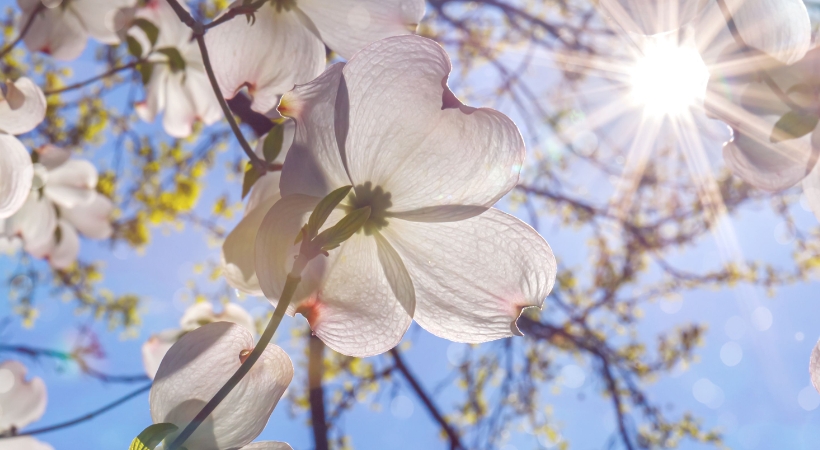
Proper winter care of dogwoods results in spectacular spring blooms like these in established Baltimore neighborhoods.
Which Flowering Trees Should Be Trimmed in Winter?
Timing matters more for flowering trees than almost any other landscape plant. Different species set buds, move sap, and respond to cuts at completely different points in the year – which is why trimming everything at once can backfire.
Trees That Should Be Trimmed in Early Winter (December-January)
Early winter trimming is best for many of Baltimore’s most popular flowering trees because they enter deep dormancy and stop all active sap movement. This includes:
- Dogwoods: Highly prone to anthracnose; winter trimming avoids peak disease activity and preserves developing flower buds.
- Cherry Trees: Winter cuts help prevent bacterial canker infections and keep the tree’s natural shape intact.
- Flowering Plums: Trimming before bud swell promotes healthier branching and prevents unnecessary removal of spring buds.
University of Maryland Extension specialists recommend trimming these species before buds begin swelling to protect next year’s flowers and reduce disease spread.
PRO TIP: You can also trim these trees in the late spring and early summer after they finish blooming if you miss the winter window.
Trees That Should Be Trimmed in Late Winter
Late winter trimming is best when it targets trees like the crape myrtle. Unlike spring bloomers, crape myrtles flower on new growth, making late winter trimming ideal for promoting vigorous spring growth and abundant blooms. Experts recommend this timing for trimming crape myrtles to avoid winter injury while maximizing flower production.
Avoid the common “crape murder” mistake of severe topping. Instead, focus on selective trimming that enhances the tree’s natural form. Residents in areas like Knettishall, where crape myrtles are popular, should avoid key tree trimming mistakes to ensure proper care rather than damage.
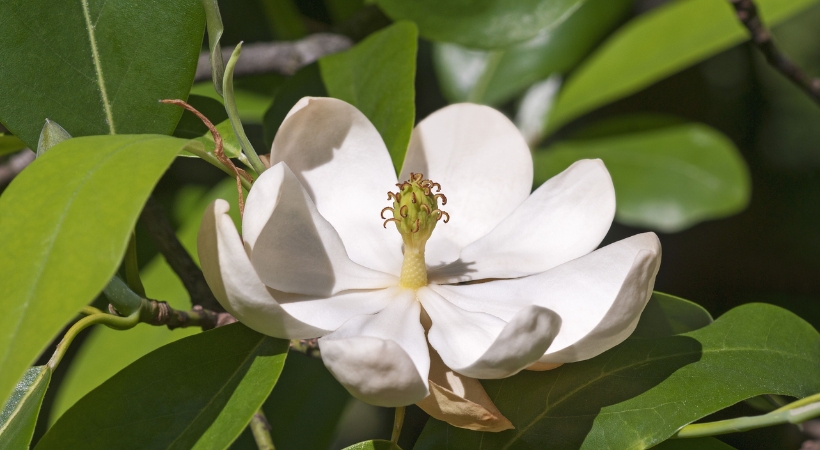
Magnolias require special timing considerations, with late summer trimming preferred to preserve next year’s flower buds.
Which Flowering Trees Should Not Be Trimmed in Winter?
Not all flowering trees tolerate winter trimming. Magnolias are the biggest exception. They set flower buds for the following year soon after blooming ends, which means winter trimming removes those buds before they ever open.
For this reason, magnolias should be left alone during the dormant season. If shaping or corrective trimming is needed, it must be done after they finish blooming. According to the Virginia Tech Extension, trimming from May to July is best for these trees. For mature magnolias common in neighborhoods like Loch Raven Village, proper timing is crucial for next year’s spectacular blooms.
PRO TIP: Trimming at the right time will leave you with healthy and thriving trees. Research has shown that healthy trees can increase your property value compared to similar houses with no trees or ones that are in poor condition.
Frequently Asked Questions About Winter Trimming for Flowering Trees
Can I trim flowering trees safely myself?
You can handle light trimming on small branches, but anything over 2 inches in diameter, close to power lines, near your home, or involving timing-sensitive species should be left to a Licensed Tree Expert.
Professionals have the training, equipment, and insurance to make safe, correct cuts that protect both your tree and your property – and in Maryland, hiring a Licensed Tree Expert also keeps you compliant with state regulations.
Will winter trimming reduce my spring blooms?
Proper timing enhances spring flowering for most species. Winter trimming of dogwoods, cherry trees, and crape myrtles promotes vigorous growth and abundant blooms. The exception is magnolias, which require late summer trimming to preserve next year’s flower buds. If you aren’t sure what time is best for your trees, ask a professional Licensed Tree Expert for guidance.
Why does Maryland require Licensed Tree Experts?
Maryland law protects public safety and tree health by requiring licensed professionals for major work. Licensed Tree Experts complete extensive training in:
- Proper trimming techniques
- Hazard identification
- Species-specific care
This training ensures work meets professional standards while reducing risks to both workers and property owners.
How can I tell if it’s too late to trim my flowering trees this winter?
You can trim most flowering trees until late February in Baltimore, as long as their buds haven’t begun to swell. Once you see swollen buds or early color, trimming can reduce bloom density. Early winter (December–January) is the safest window for spring bloomers, while crape myrtles can still be trimmed later in the season. When in doubt, snap a photo of the buds – a professional can tell you right away whether it’s still safe.
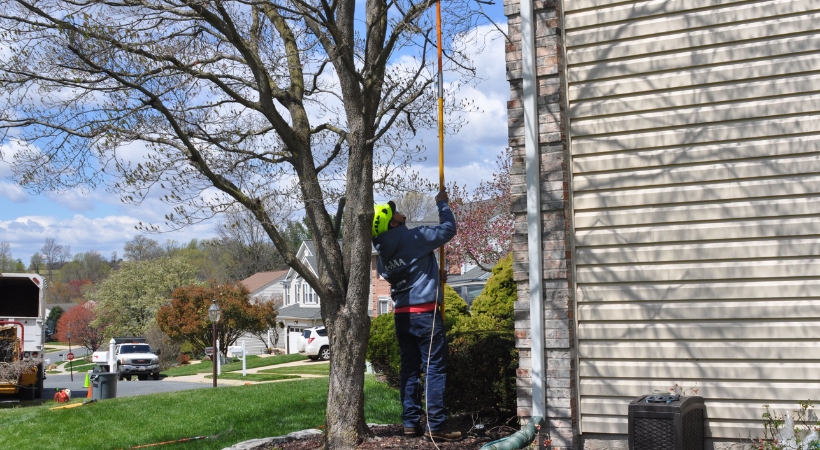
Professional winter trimming during dormancy allows for precise cuts and prevents sap bleeding that attracts harmful pests.
Get Beautiful Flowering Trees This Next Spring with Help from A-AAA Tree Service
Don’t let another winter pass without giving your flowering trees the professional care they deserve. Our team of Licensed Tree Experts has served the Greater Baltimore Area since 2002, bringing decades of local experience to every job.
We provide comprehensive winter tree assessments that protect both your investment and your family’s safety. From proper species-specific timing to property value enhancement, we understand what Baltimore’s mature neighborhoods need.
Call us today at 410-321-0921 or request a proposal online for professional flowering tree care that enhances your property’s beauty and value.
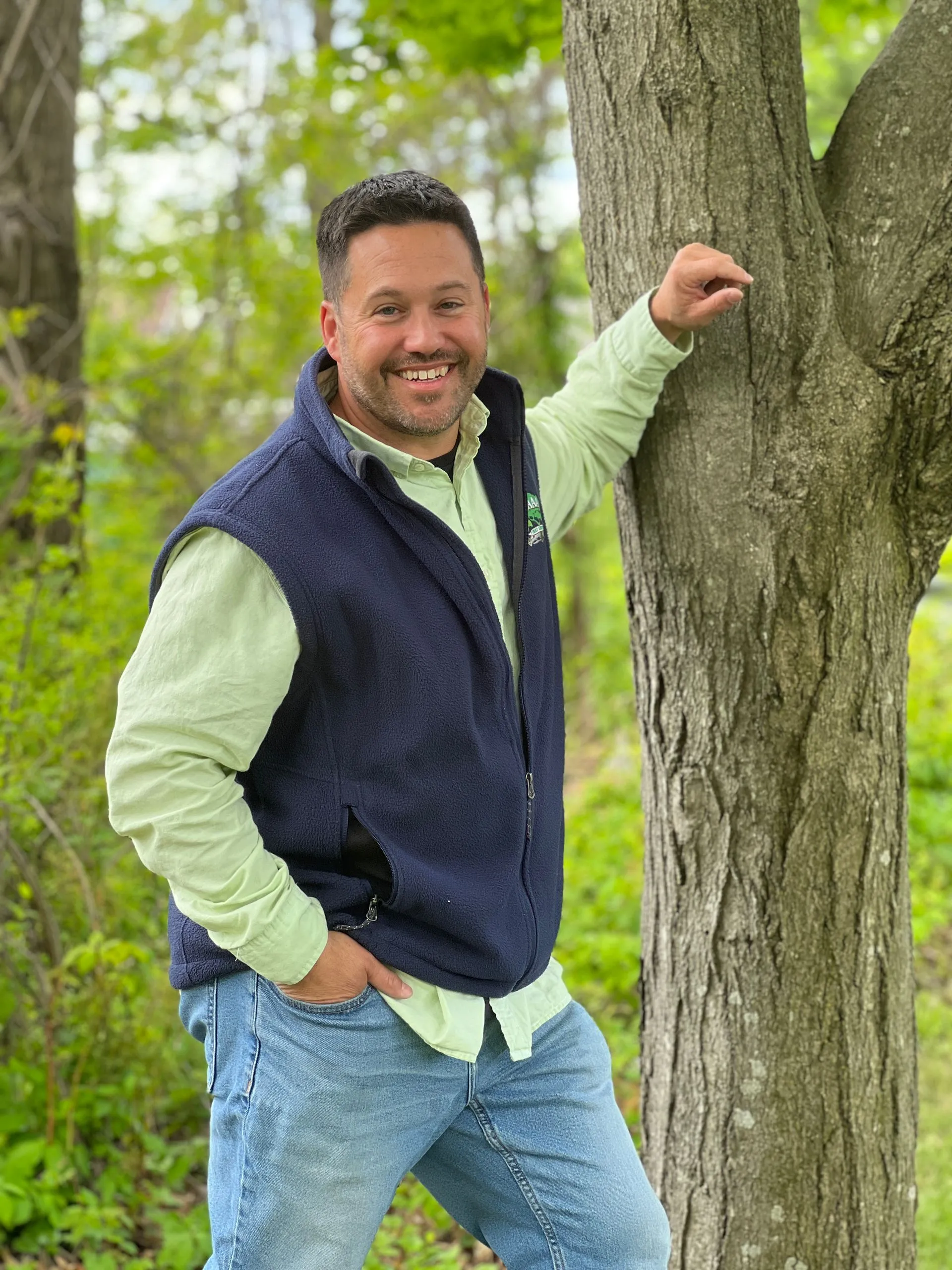
Andrew Senker got his first chance at management in 2003 when he started an IT consulting company that worked with some of the largest banks in the world. After 7 years with the firm, he transitioned to the wireless sector for 13 years, lending his expertise and ability to manage people and projects. In 2022, he purchased A-AAA Tree Service, determined to bring his knowledge to the tree service industry.
Related Articles
Should I Grind a Stump or Leave It?
Not sure whether to grind that stump or leave it alone? Learn the risks, the decision points, and how A-AAA handles stump grinding in greater Baltimore.
How to Tell If a Tree Is Dead or Just Stressed
A bare or thinning tree in a Baltimore-area summer may be stressed, not dead. Learn how to tell the difference and when to bring in a Licensed Tree Expert.
What Should You Do When a Tree Is Damaged in a Storm?
A storm hit your Baltimore County trees. Learn which damage is an emergency, which can wait, and when to request a proposal with a Licensed Tree Expert.
