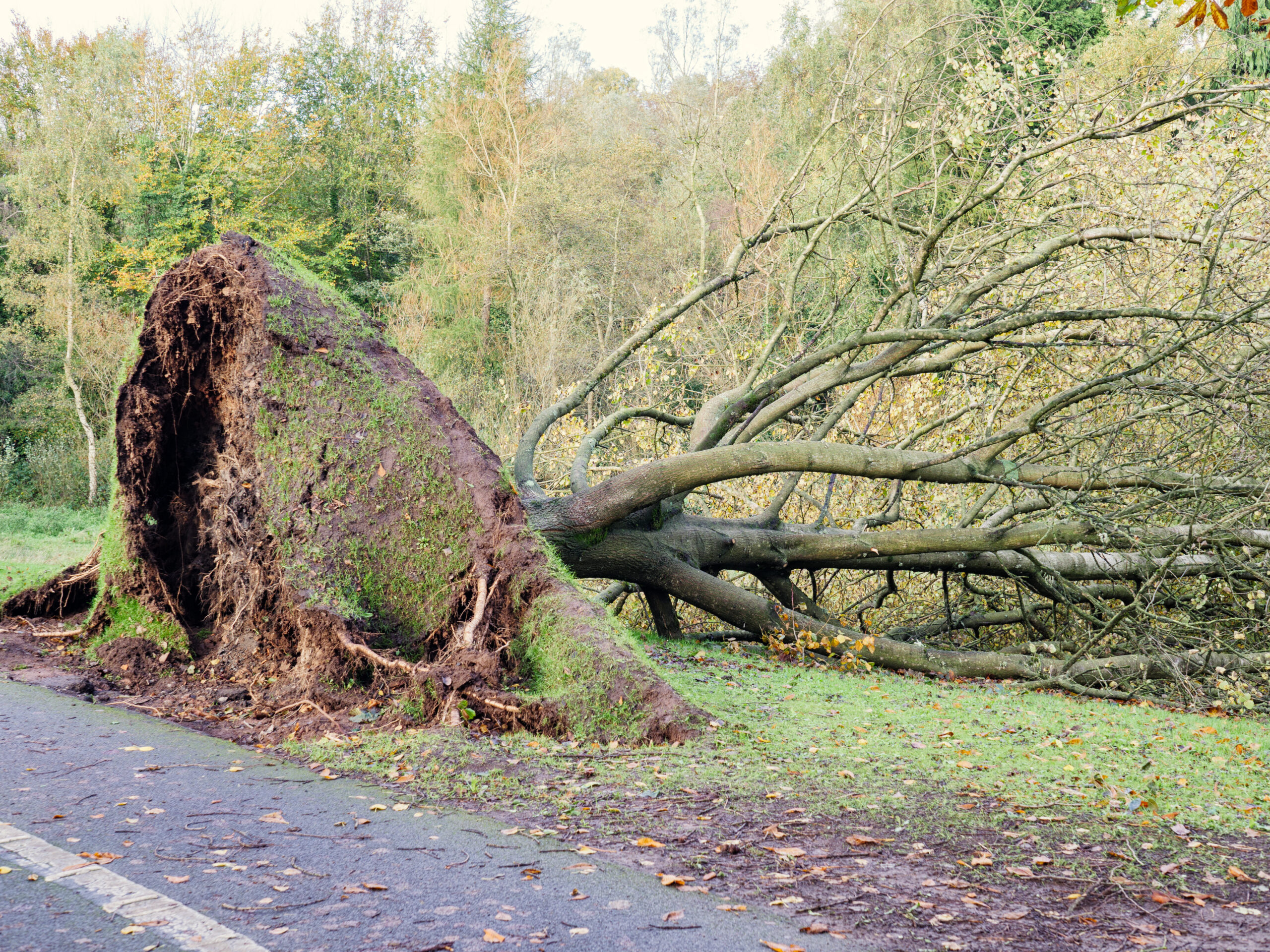
Hiring the cheapest tree service might feel like a smart financial move, but in many cases, it’s a gamble. Tree work ranks among the most dangerous industries in America, and doing it safely requires experience, training, and proper insurance.
Companies offering rock-bottom prices often achieve them by cutting corners homeowners never think to ask about. When those shortcuts lead to accidents or damage, the cost doesn’t fall on the tree company – it falls on the homeowner. Saving a few hundred dollars upfront can quickly turn into thousands in repairs, liability, or legal costs if something goes wrong.
Key Takeaways
- Hiring the cheapest tree service can shift serious financial and legal risks from the contractor to the homeowner.
- Legitimate tree companies charge more because they invest in insurance, trained employees, proper equipment, and safety standards.
- If an uninsured tree worker is injured on your property, the homeowner may be held responsible for medical bills and lost wages.
- Damage caused by an uninsured or unlicensed tree company may not be covered by your homeowner’s insurance.
- Before hiring a tree service, always verify insurance coverage, licensing, and written proposals to protect yourself.
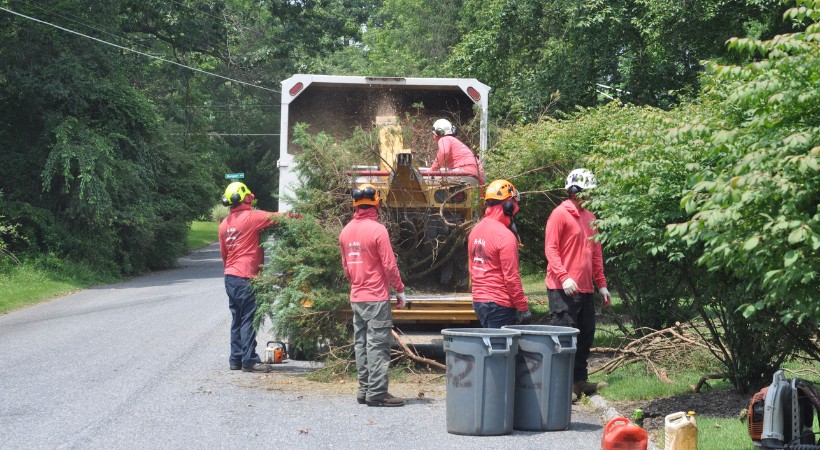
Professional equipment, such as commercial-grade chippers, represents a significant investment that legitimate tree companies make to ensure safe, complete cleanup.
Why Some Tree Companies Cost More Than Others
When one tree company’s proposal comes in dramatically lower than the others, there’s usually a reason. Tree work is expensive to do the right way. Companies that operate legally and prioritize safety carry significant costs that cheaper crews simply don’t.
Professional tree service companies invest in things like:
-
General liability insurance to cover accidental damage to homes, vehicles, and property.
-
Workers’ compensation insurance to protect both workers and homeowners if someone gets injured.
- Proper licensing and permits required to operate legally and comply with local regulations.
-
Properly trained employees who understand safe climbing, rigging, and cutting techniques.
-
Specialized equipment, like professional climbing gear, cranes, and rigging systems.
-
Safety procedures and industry standards designed to reduce risk on every job.
-
Complete cleanup and disposal so homeowners aren’t left dealing with debris.
Those things aren’t optional extras – they’re part of running a responsible business.
Who Is Actually Doing the Work on Your Property? Some tree service companies rely heavily on subcontractors instead of trained employees. When workers are subcontractors, they may not be covered under the company’s insurance policies, and their training or safety practices can vary. Companies that use employees typically maintain consistent safety procedures and ensure their crews are covered under the company’s liability and workers’ compensation policies.
What Happens When You Choose Price Over Qualifications
When hiring a tree service, most homeowners assume the contractor performing the work carries the responsibility if something goes wrong. But that isn’t always the case.
You Could Be Responsible for Worker Injuries
If a worker is injured while performing tree work on your property and the company doesn’t carry workers’ compensation insurance, the injured worker may pursue compensation for medical bills, lost wages, and other damages. When there’s no insurance policy to cover those costs, the homeowner can end up being the next place that claim goes.
Tree work injuries can involve hospital stays, surgery, or long recovery periods. Those costs can easily reach tens of thousands of dollars.
The Company May Not Be Able (or Willing) to Cover the Damage
When a fully insured company causes accidental damage, their liability policy typically covers the repairs. But companies operating at extremely low prices often don’t carry that level of protection.
If a large limb crashes through your roof, damages your driveway, or hits a vehicle and the company has no insurance — or not enough coverage — there may be no realistic way to recover the cost.
In some cases, the situation is even worse. Low-cost crews may operate without formal business structures, contracts, or long-term accountability. If something goes wrong, they may just move on to the next job (or next town), leaving the homeowner responsible for the repairs.
Your Insurance Company May Refuse to Cover the Damage
Many homeowners assume their insurance policy will cover any damage caused during tree work. But that isn’t always the case. If the damage occurs during work performed by an uninsured or unlicensed contractor, the insurance company may deny the claim. In some cases, hiring an unlicensed contractor can even be considered negligence under the terms of a policy.
That means damage to your roof, driveway, fence, or vehicle could become your next out-of-pocket expense.
How to Protect Yourself Before Hiring a Tree Service Company
Before agreeing to any tree work, take a few minutes to verify a few important details. A reputable company should have no problem providing this information.
Always ask for:
-
Proof of general liability insurance to cover accidental property damage
-
Proof of workers’ compensation insurance to protect workers and homeowners if someone is injured
-
A Maryland Licensed Tree Expert (LTE) issued by the Maryland Department of Natural Resources
-
A written proposal or contract outlining the scope of work and cleanup
-
Confirmation that the crew is properly insured and trained
It’s also worth checking reviews, asking how long the company has been operating, and confirming they have the equipment needed to complete the job safely. Professional companies expect these questions. In fact, most will encourage homeowners to ask them.
Frequently Asked Questions
Can a homeowner be held liable if a tree service worker is injured?
Yes. If a tree service company does not carry workers’ compensation insurance and a worker is injured while working on your property, the homeowner may be held financially responsible for medical bills, lost wages, and other damages. This is why verifying insurance coverage before hiring a tree company is so important.
How can I verify a tree service company’s insurance before hiring them?
Ask the company for a certificate of insurance showing both general liability and workers’ compensation coverage. The certificate should include the insurance provider, policy number, and coverage dates. Homeowners can also contact the insurance provider listed on the certificate to confirm the policy is active.
What happens if an uninsured tree service company damages my property?
If a tree company damages your roof, driveway, fence, or vehicle and does not carry liability insurance, there may be no insurance policy available to cover the repairs. In those cases, homeowners may be forced to pursue legal action or pay for the repairs themselves.
Is hiring an uninsured tree company illegal in Maryland?
Yes, Maryland law requires Licensed Tree Experts with proper insurance. Both the homeowner and contractor face criminal fines for violations, making it legally risky to hire unlicensed, uninsured companies.
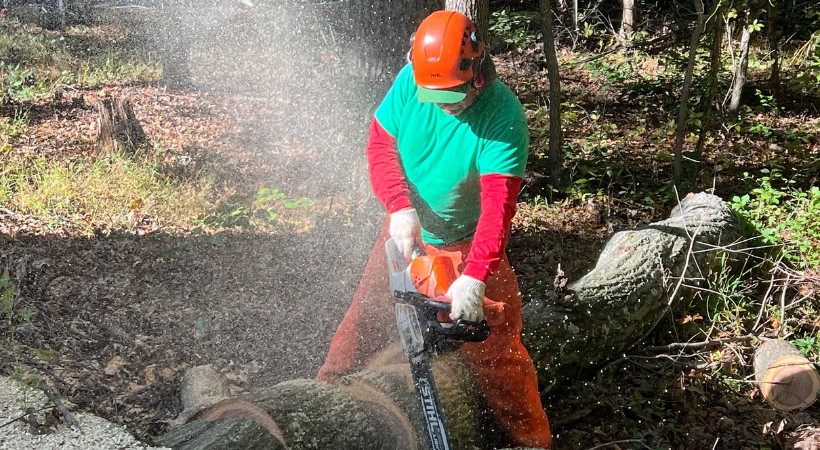
Trained ground crews with proper safety equipment are essential for safe tree work – a standard that cheap, uninsured companies often skip to reduce costs.
Trust A-AAA Tree Service for Professional Tree Work You Can Feel Confident About
When it comes to tree work, the real cost isn’t always in the quote – it’s in the risk you take on when corners are cut. Choosing a professional tree company means choosing experience, accountability, and protection for your home and the people around it.
At A-AAA Tree Service, our team includes Licensed Tree Experts who approach every job with safety, care, and long-term results in mind. We don’t rush work, and we don’t rely on shortcuts. Our goal is simple: do the job right, protect your property, and leave you confident in the work that was done.
If you’re comparing tree service proposals in Baltimore County and want a second opinion, call us at 410-321-0921 or request a proposal online to speak with a Licensed Tree Expert.

After a 31-year career as a special education teacher in Baltimore County Public Schools, Marcee retired in 2025 to focus full time on A-AAA Tree Service. Having spent two years learning the business before her retirement, she now plays an active role in the company’s operations and customer care.
Related Articles
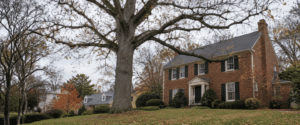
Tree Inspection Before Winter in Baltimore
A tree inspection before winter shows what bare branches reveal. See what a Licensed Tree Expert checks and what happens next for Baltimore homeowners.
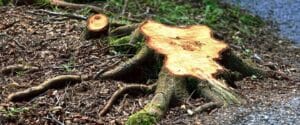
Should I Grind a Stump or Leave It?
Not sure whether to grind that stump or leave it alone? Learn the risks, the decision points, and how A-AAA handles stump grinding in greater Baltimore.
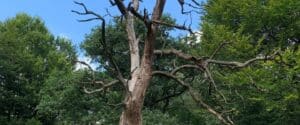
How to Tell If a Tree Is Dead or Just Stressed
A bare or thinning tree in a Baltimore-area summer may be stressed, not dead. Learn how to tell the difference and when to bring in a Licensed Tree Expert.